India’s Richest Families Don’t Google Their Architect. They Find Them on the Coffee Table.
Inside Sylph, the 400-page magazine hand-delivered to the homes of India’s 1%. Who is on its pages, how they got there, and the ₹1.5 lakh trick it refuses to play.
It is a Sunday morning in a South Delhi farmhouse. The family is building another home. A big one. The architect has not been chosen yet.
Nobody opens Google. Nobody scrolls through ads. Someone reaches for the thick magazine on the coffee table, flips to a home they like, taps the page and says: “Call this one.”
In thousands of homes like this one, the magazine on that table is Sylph.
Sylph calls itself “For the 1%”. It is a 400-page coffee-table magazine, published four times a month and hand-delivered to UHNI and HNI homes. You will not find it at a newsstand. It is not posted to everyone. It goes to a list of wealthy households that Sylph has built up over years.
And the people on its pages are the people those households call.
Who is on the pages
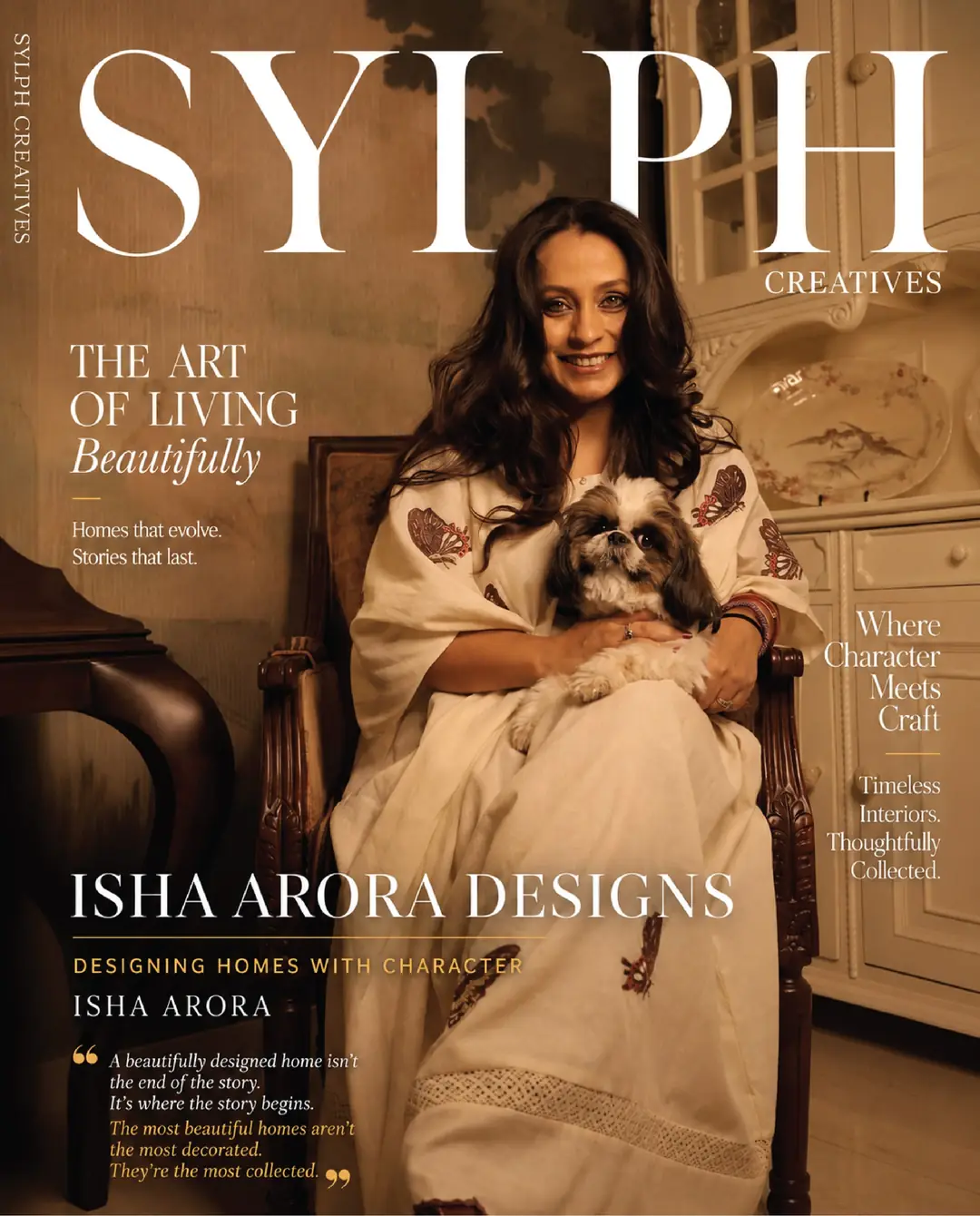
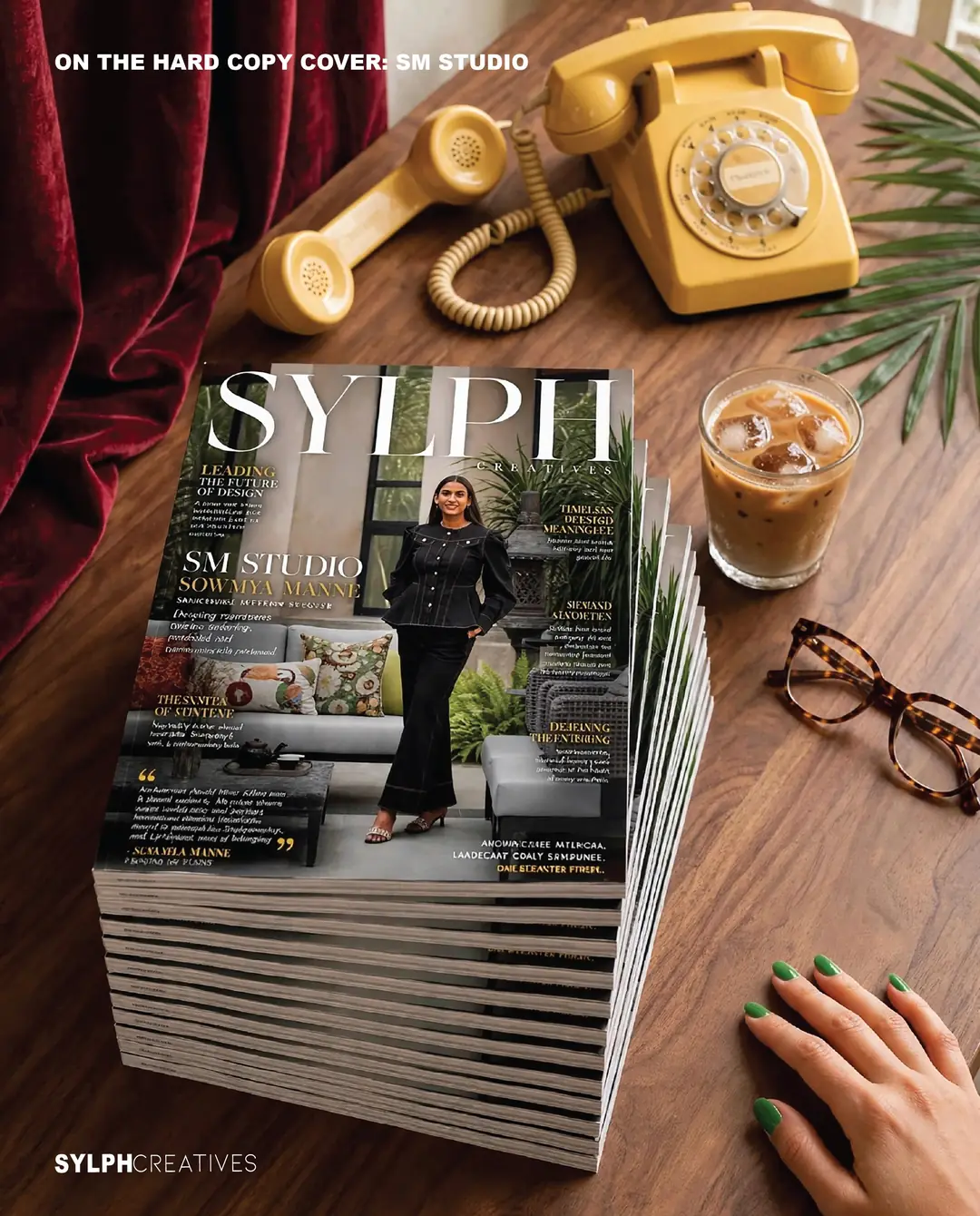
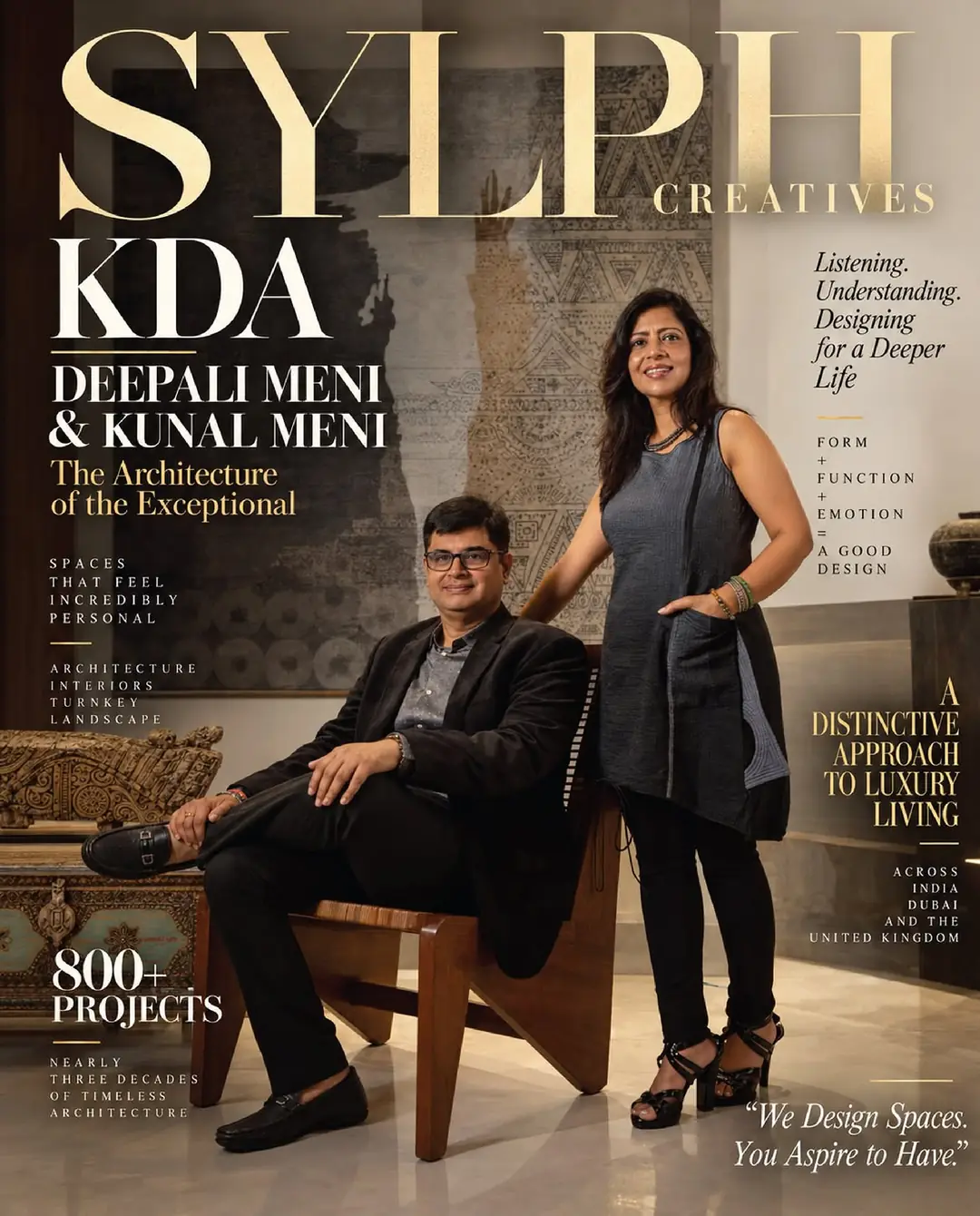
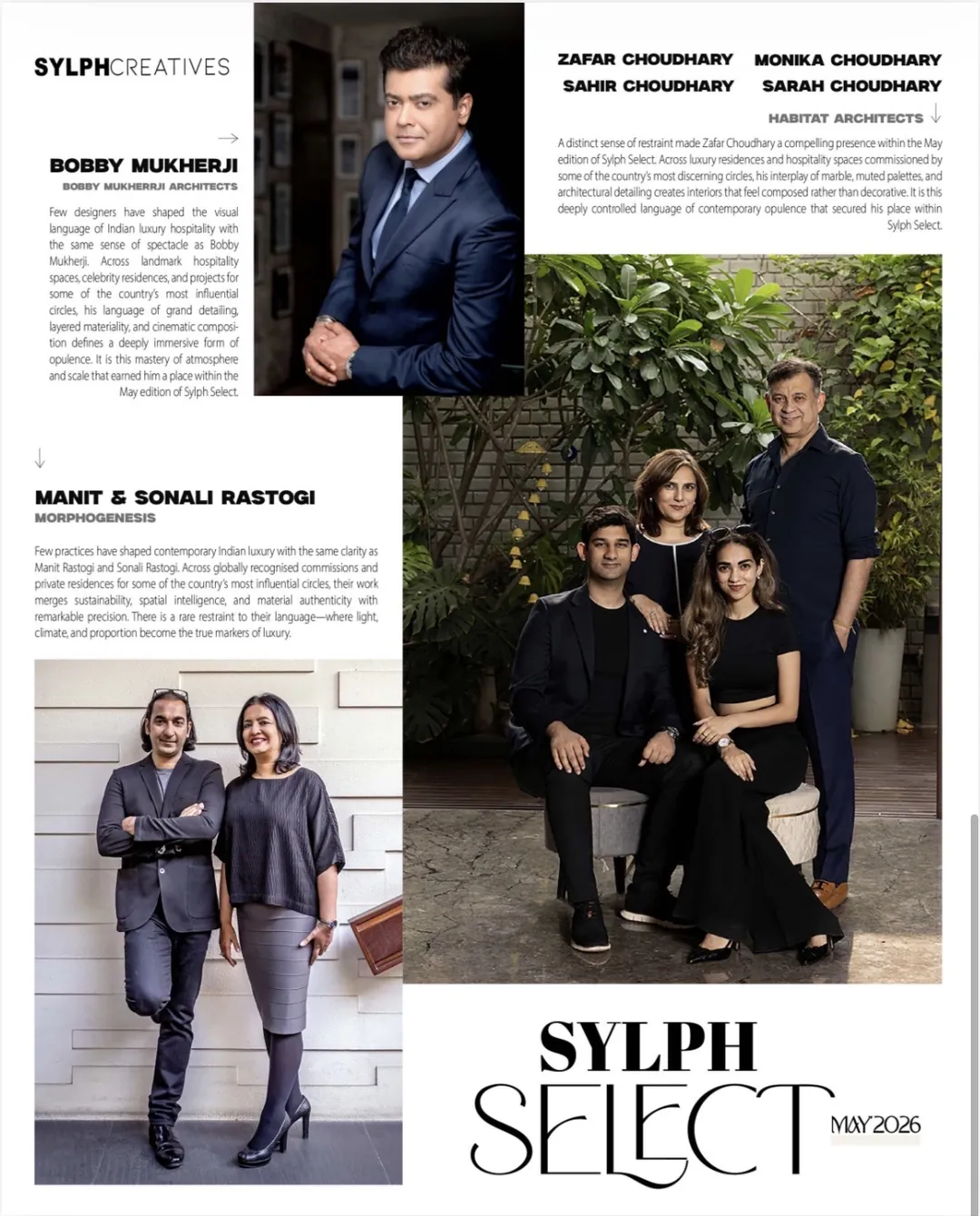
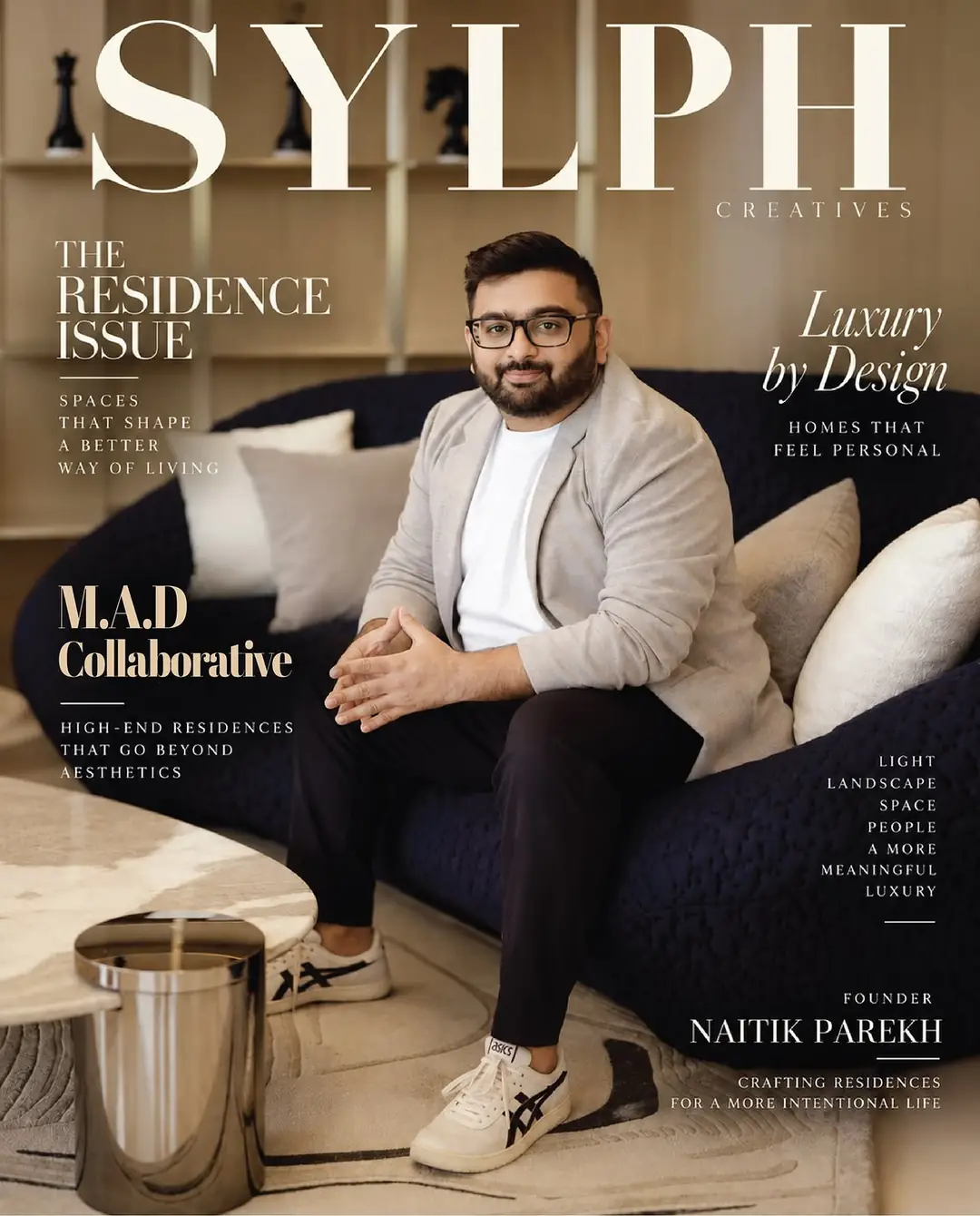
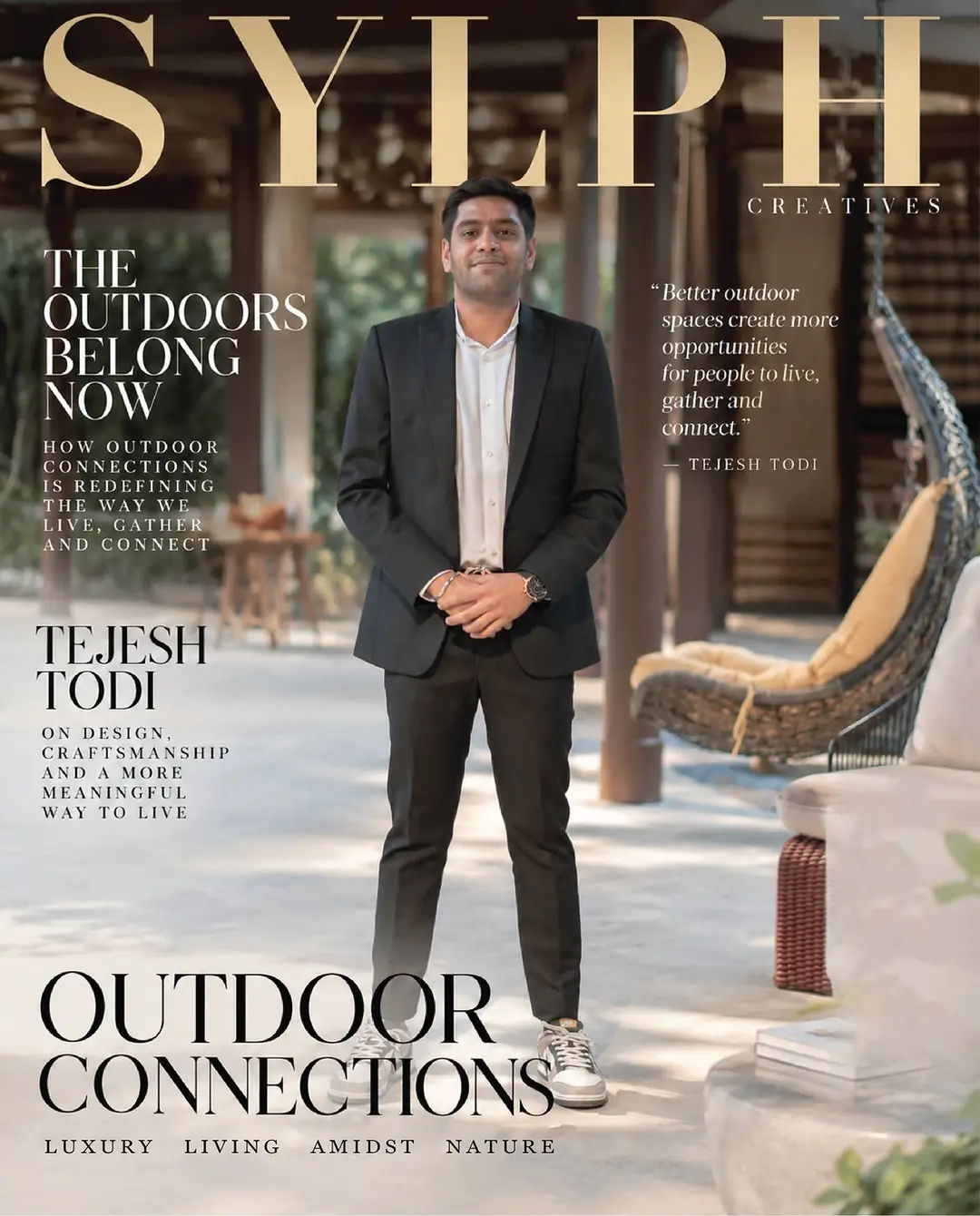
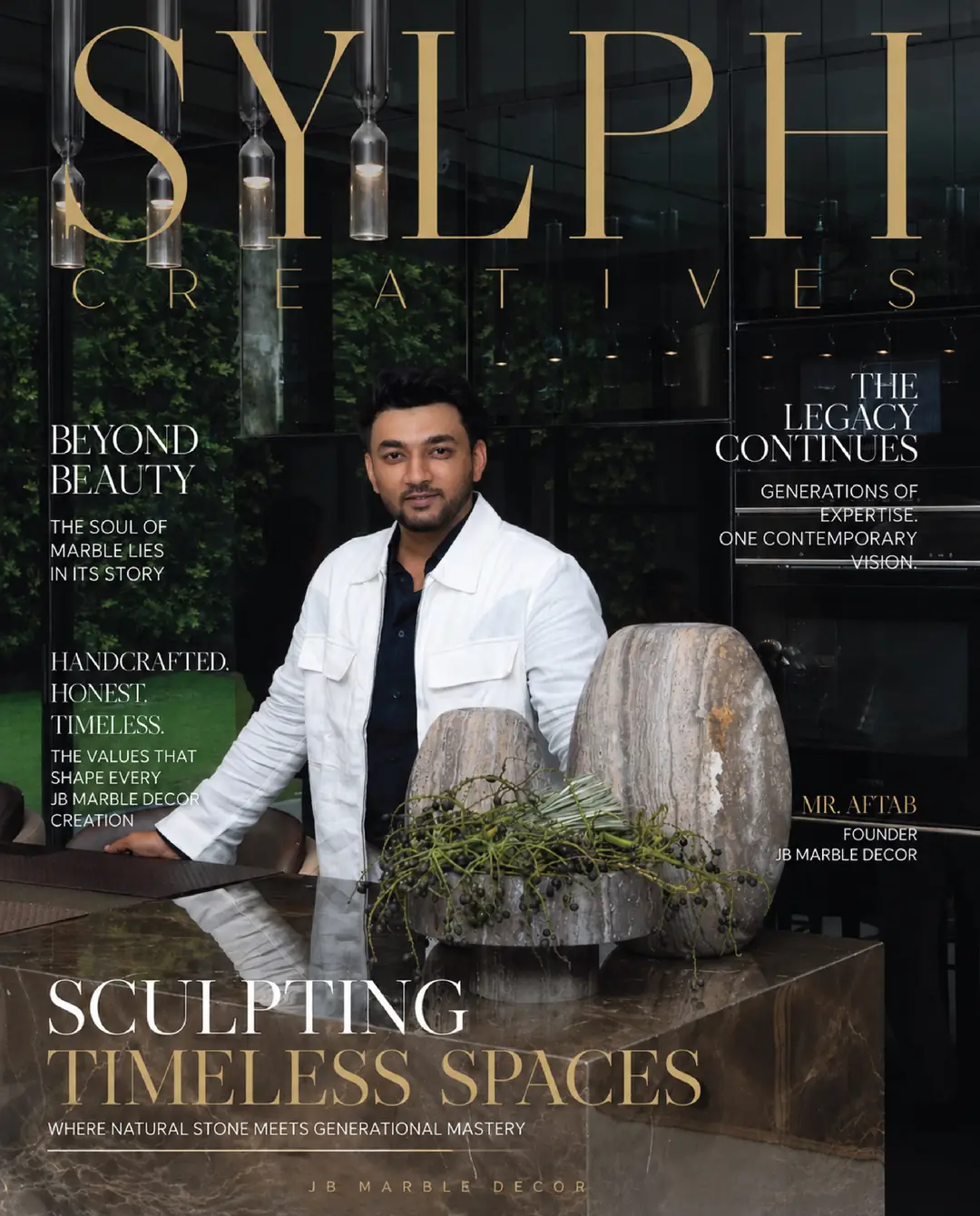
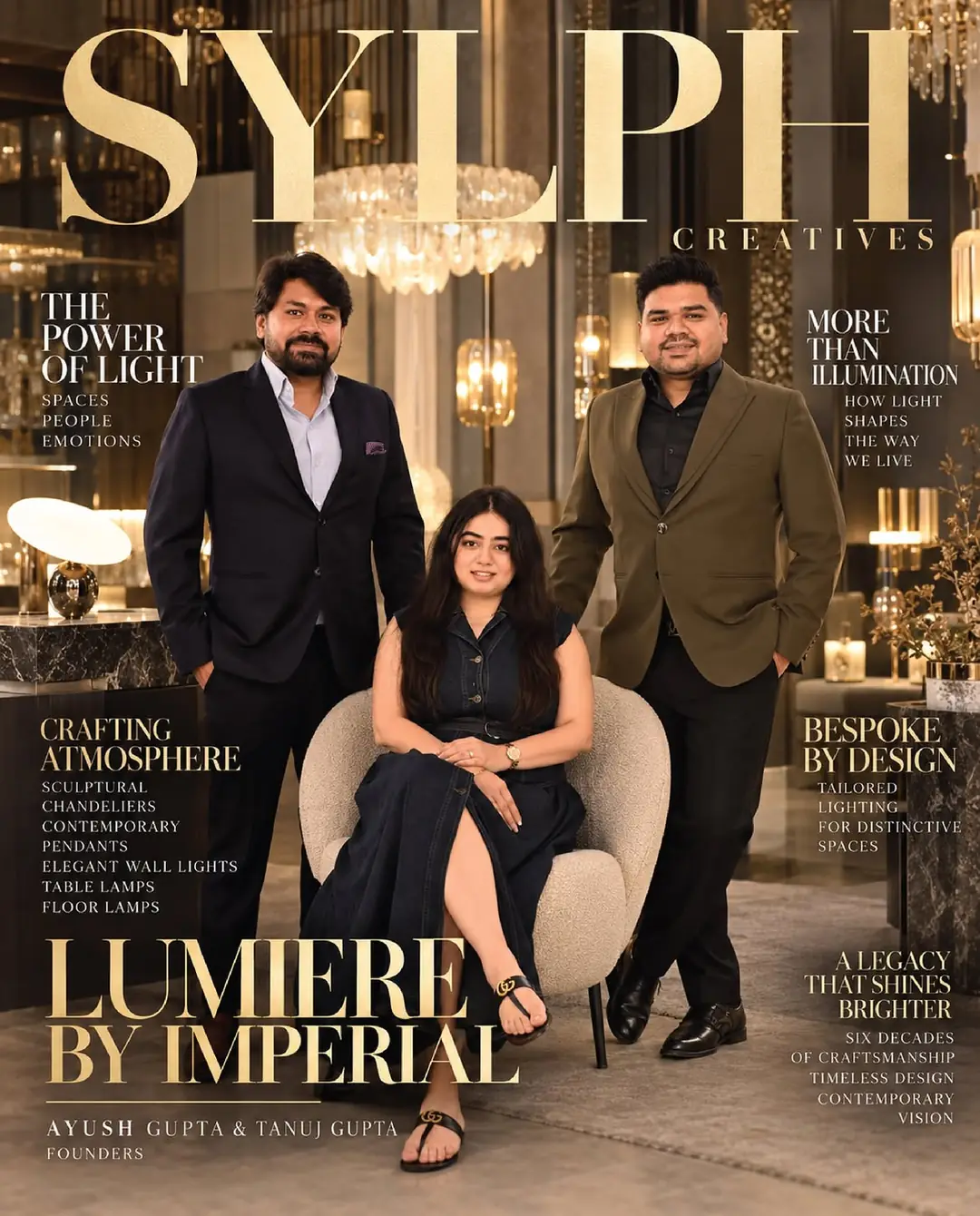
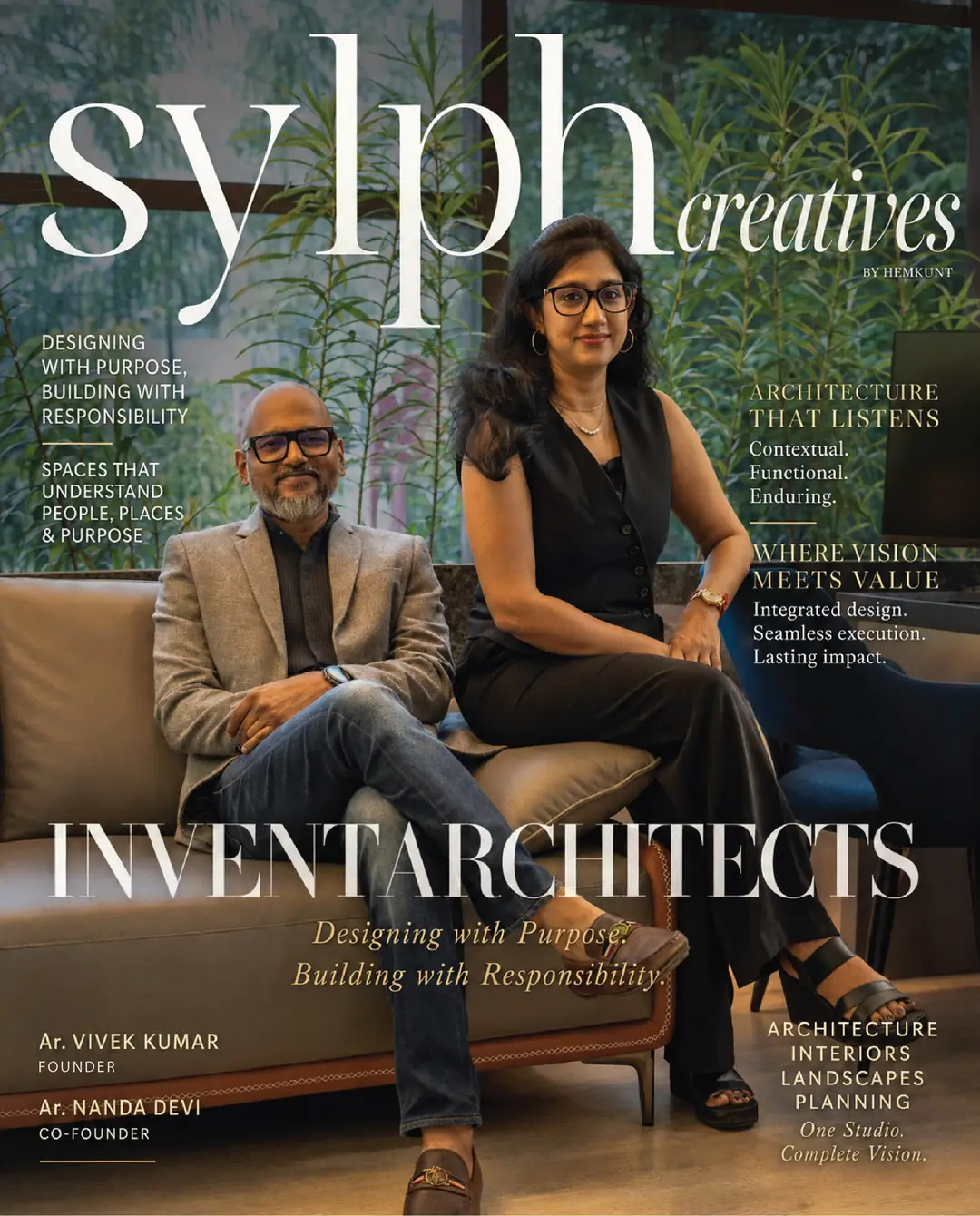
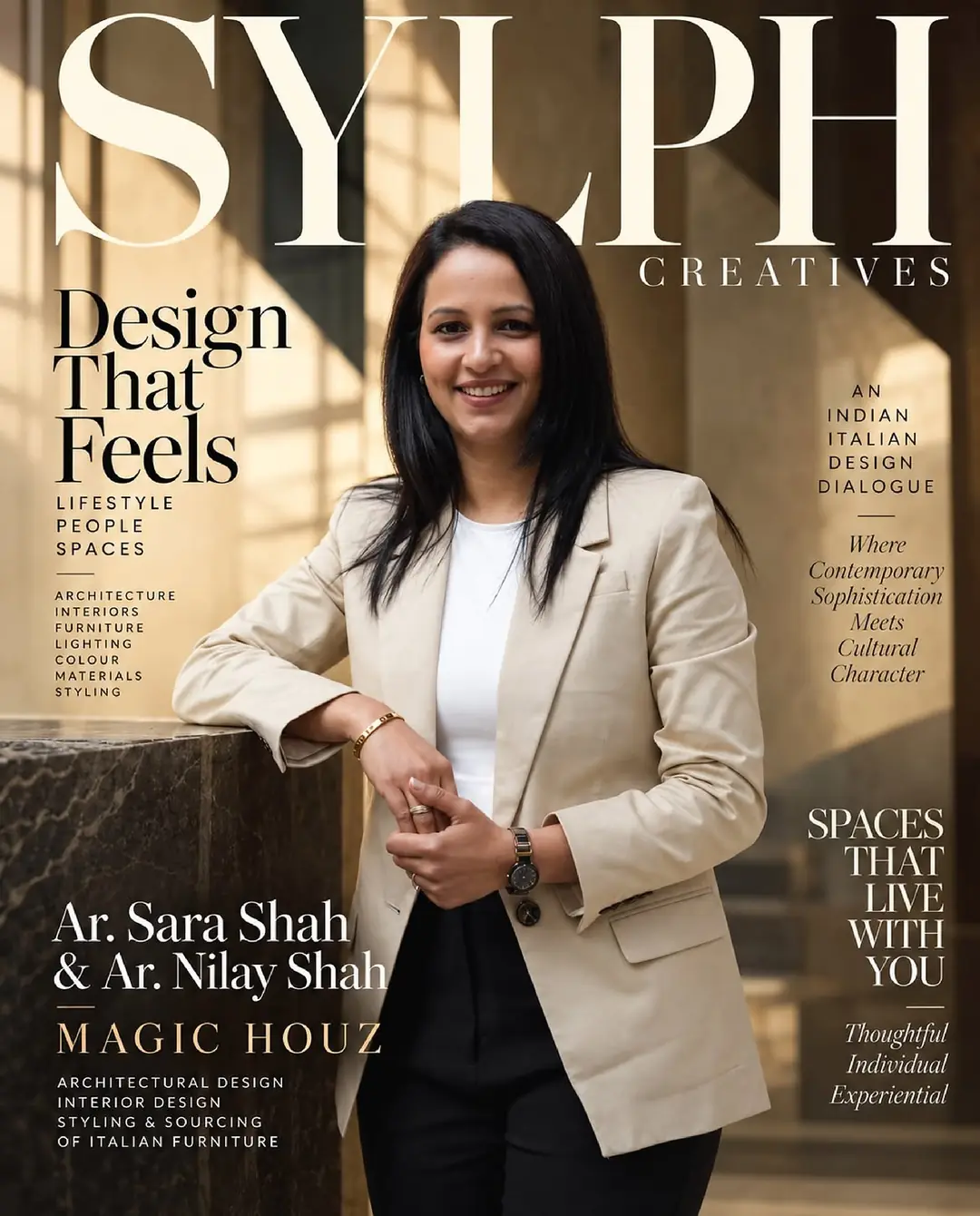
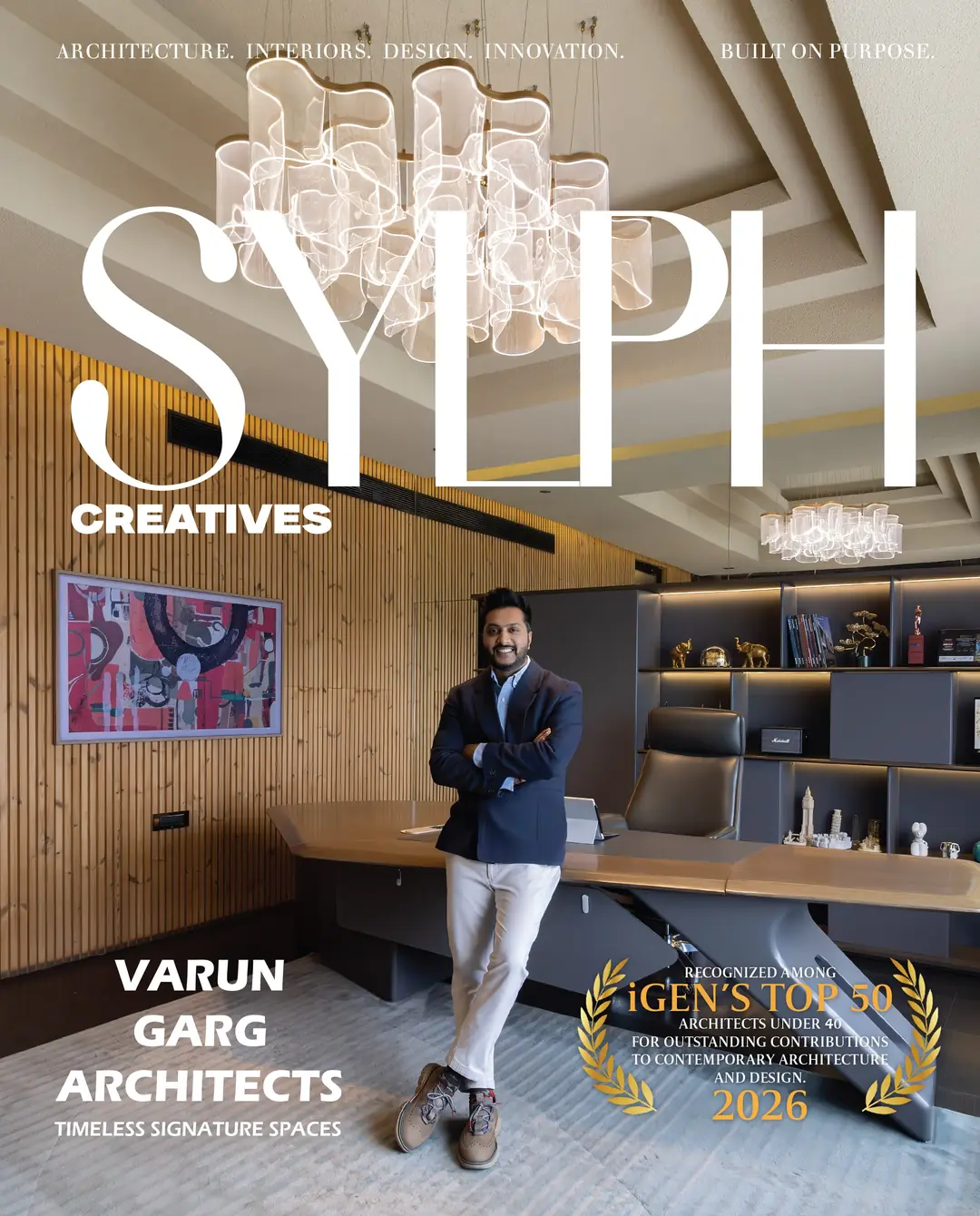
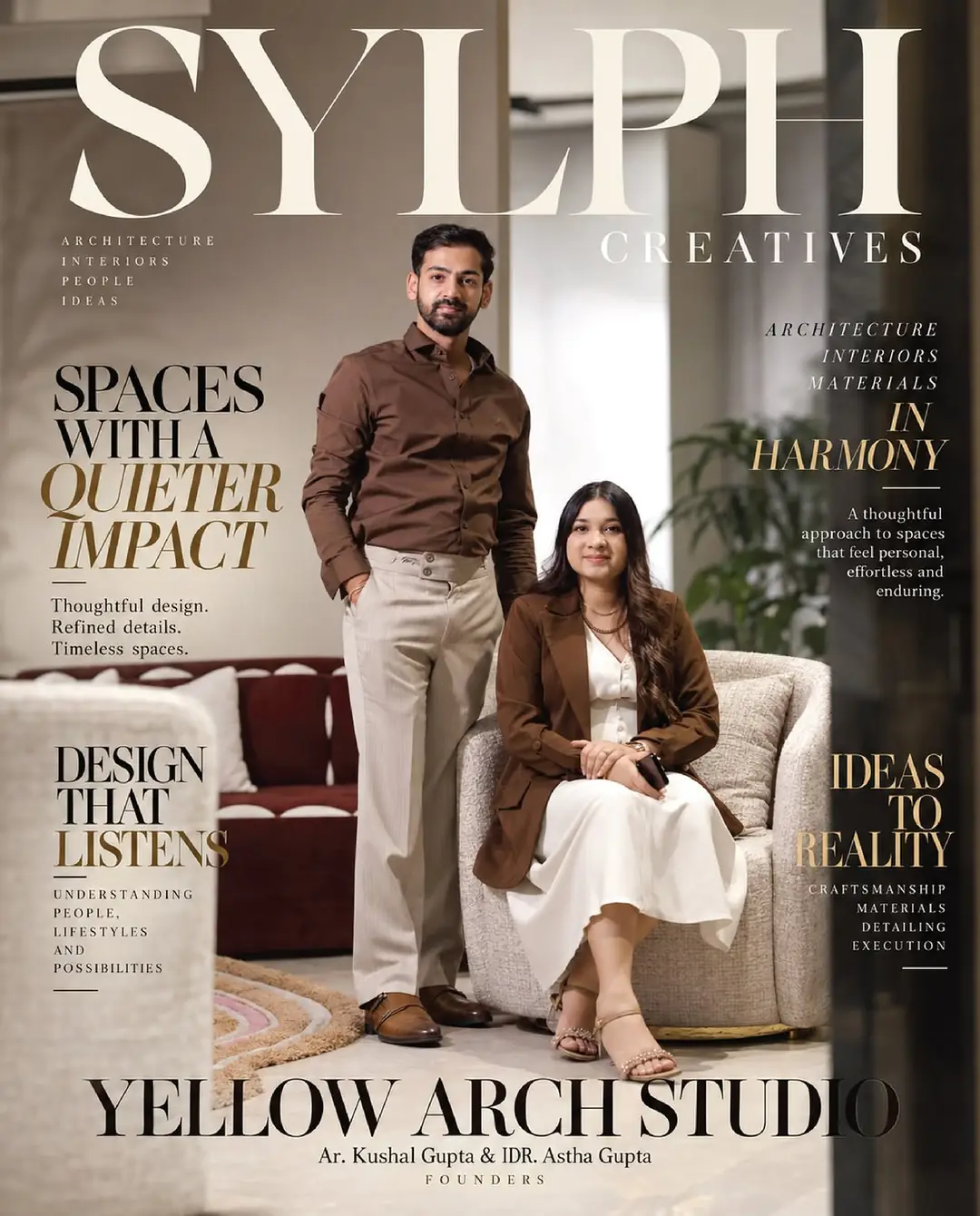
Open a recent edition and you will find names most of the design world already knows. Many of them on the cover.
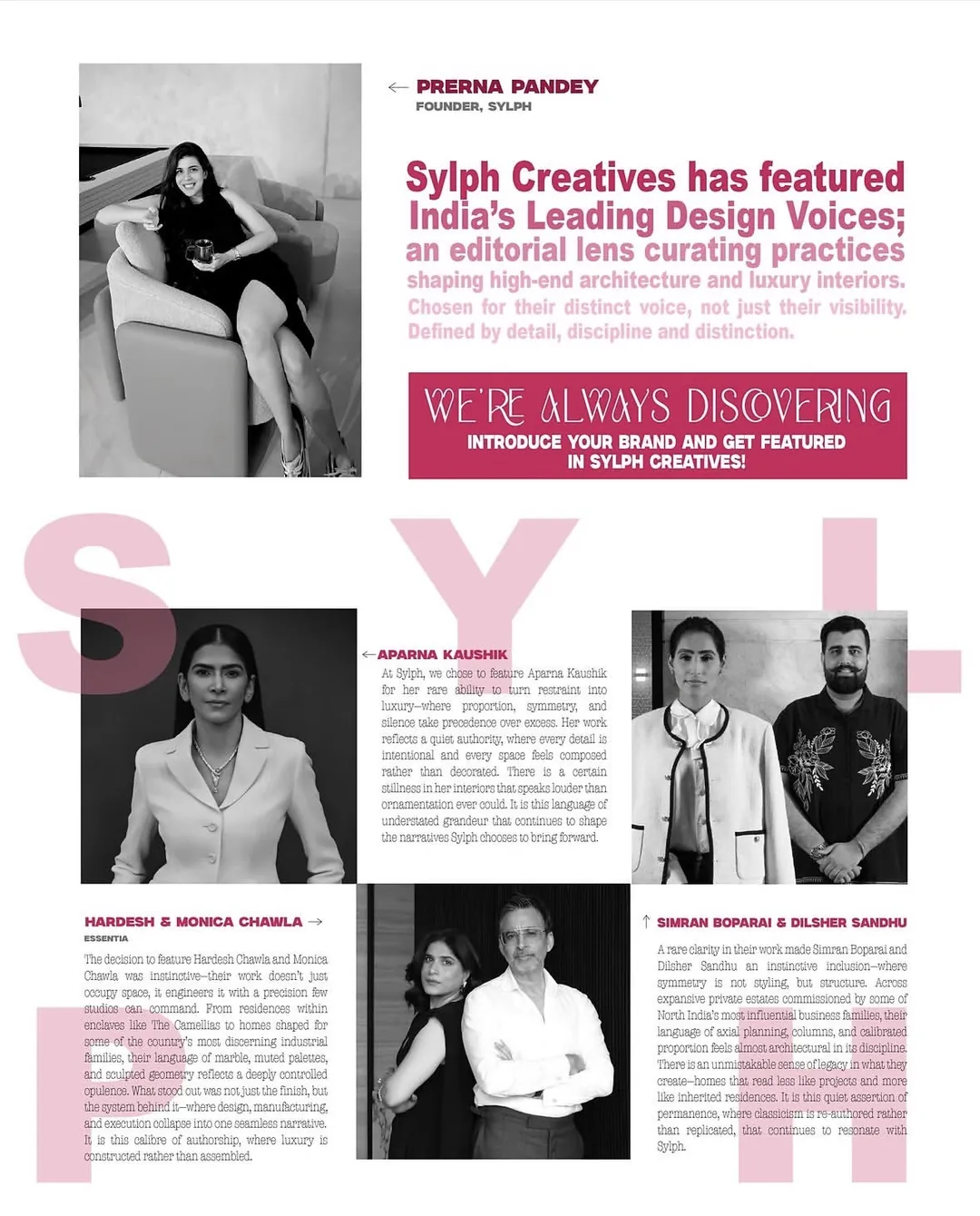
Also in recent editions:
Sylph says it looks for designers who can “balance confidence with warmth”. In plain words: people who are very good at what they do, and easy for a family to trust with a home.
They also sit down with Sylph on camera. Short, honest conversations about how they started and what they build. Tap to play.
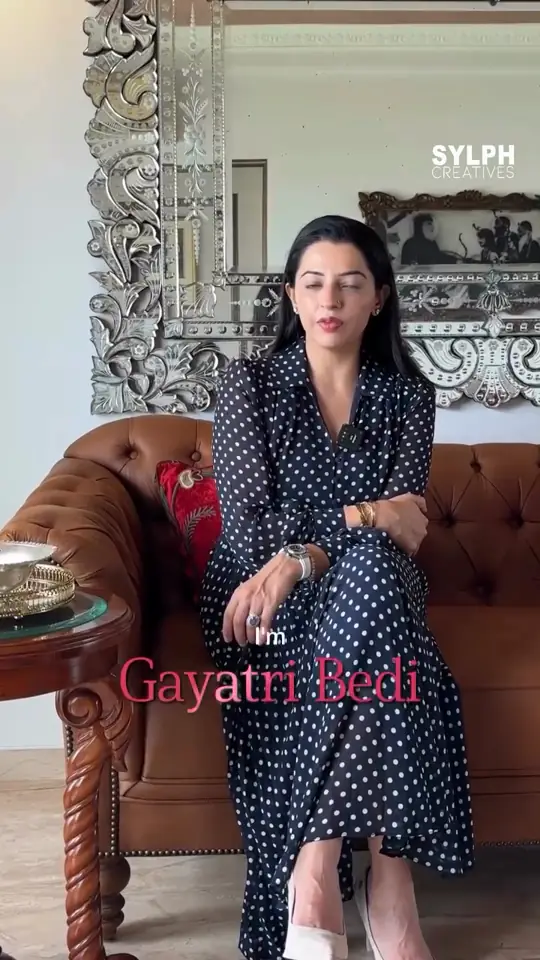 Gayatri BediOn starting her brand
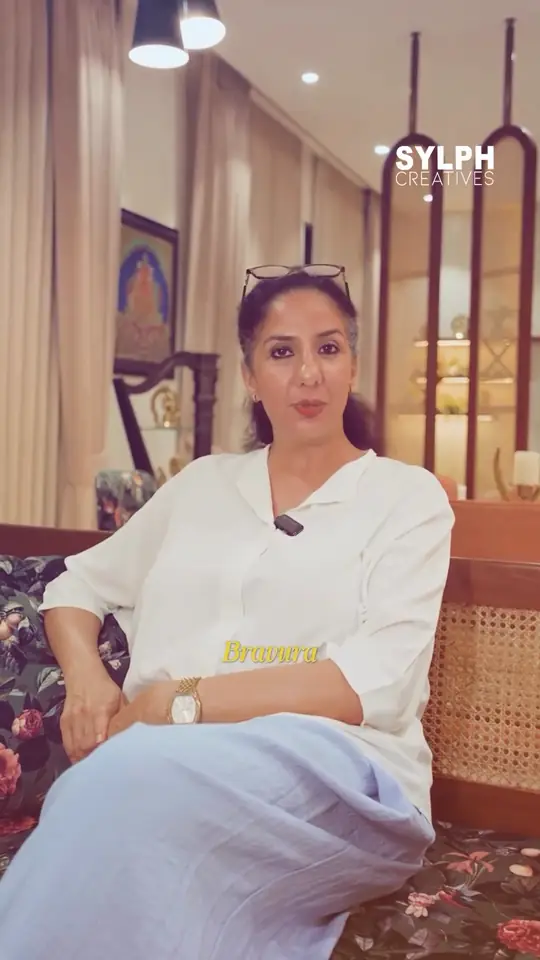 Amita TrehanBravura Spaces
 Chirag SwainChirag Design Studio
Why the 1% read it, and you have probably never seen it
Most people in the design trade have never held a copy. That is the point.
Sylph is not on a shelf. It goes straight into homes. 60,000 to 70,000 copies a year, hand-delivered in private circulation: into UHNI and HNI homes, boardrooms, embassies and estates. If you are not on the list, it does not come to you.
“Every edition is a private access point to India’s ultra-high-net-worth ecosystem,” says Prerna Pandey. “Sylph is where brands meet dynasties, visionaries and connoisseurs.”
For a family spending crores on a house, a magazine on their own coffee table feels like a tip from a friend. An ad on their phone never will.
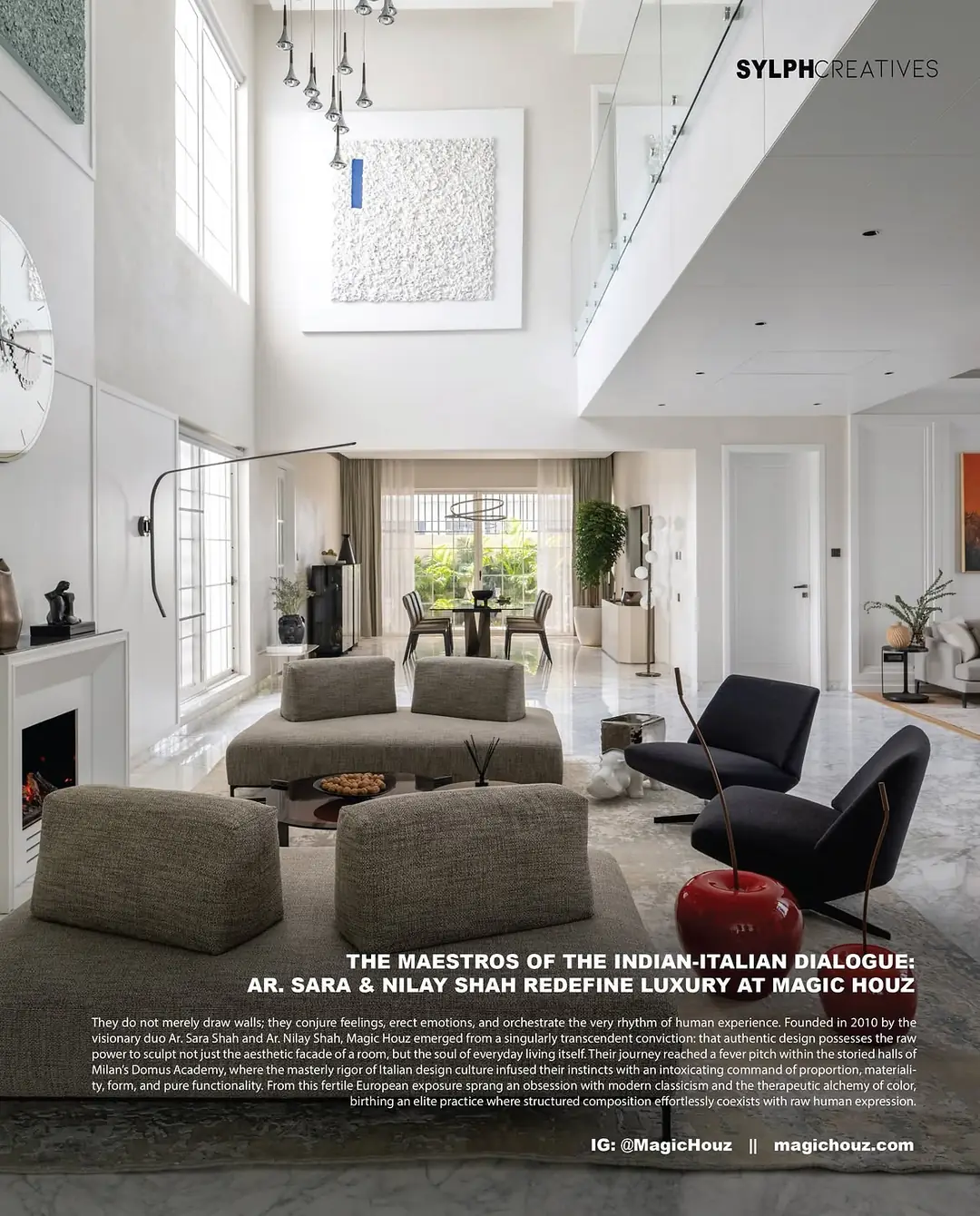

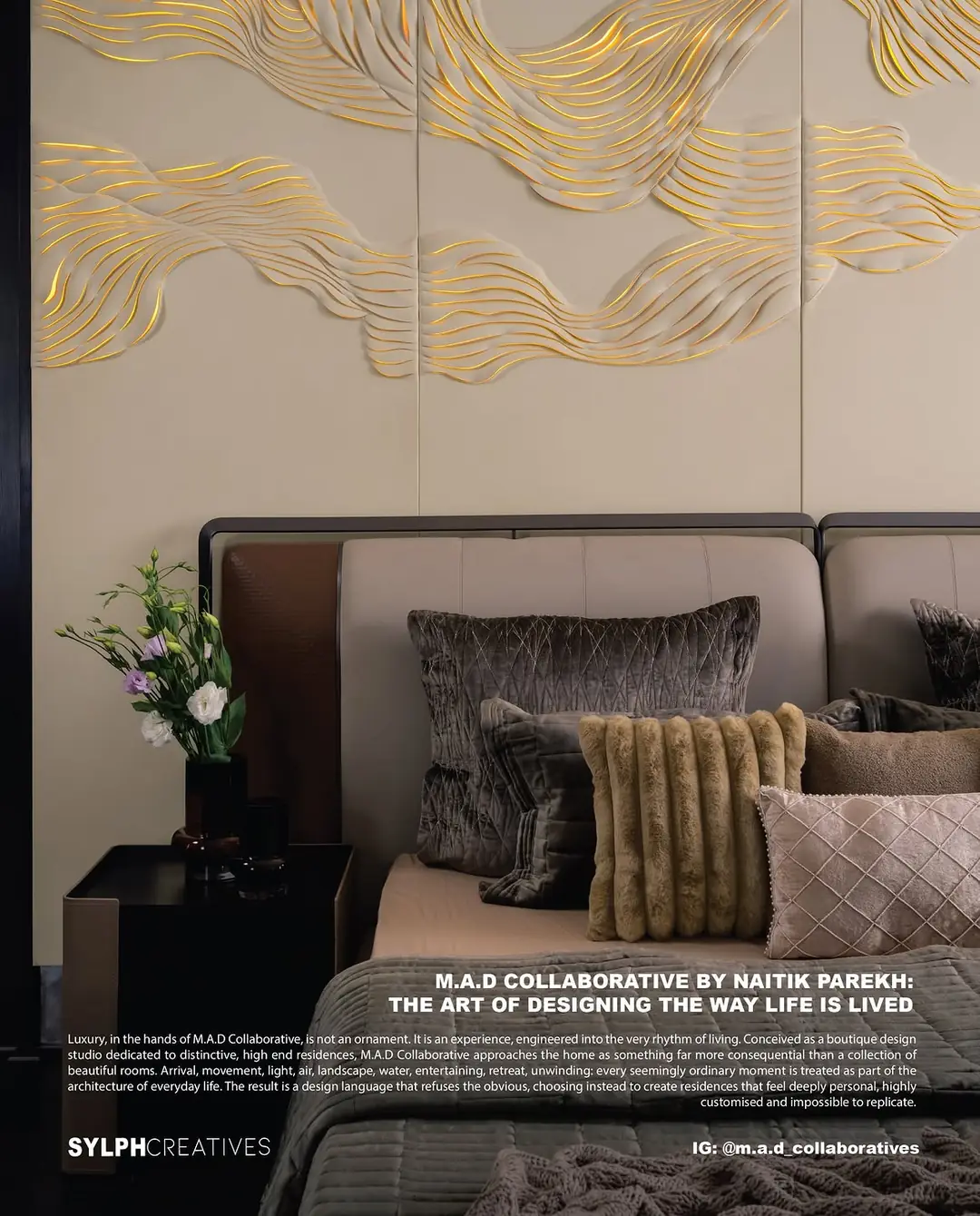
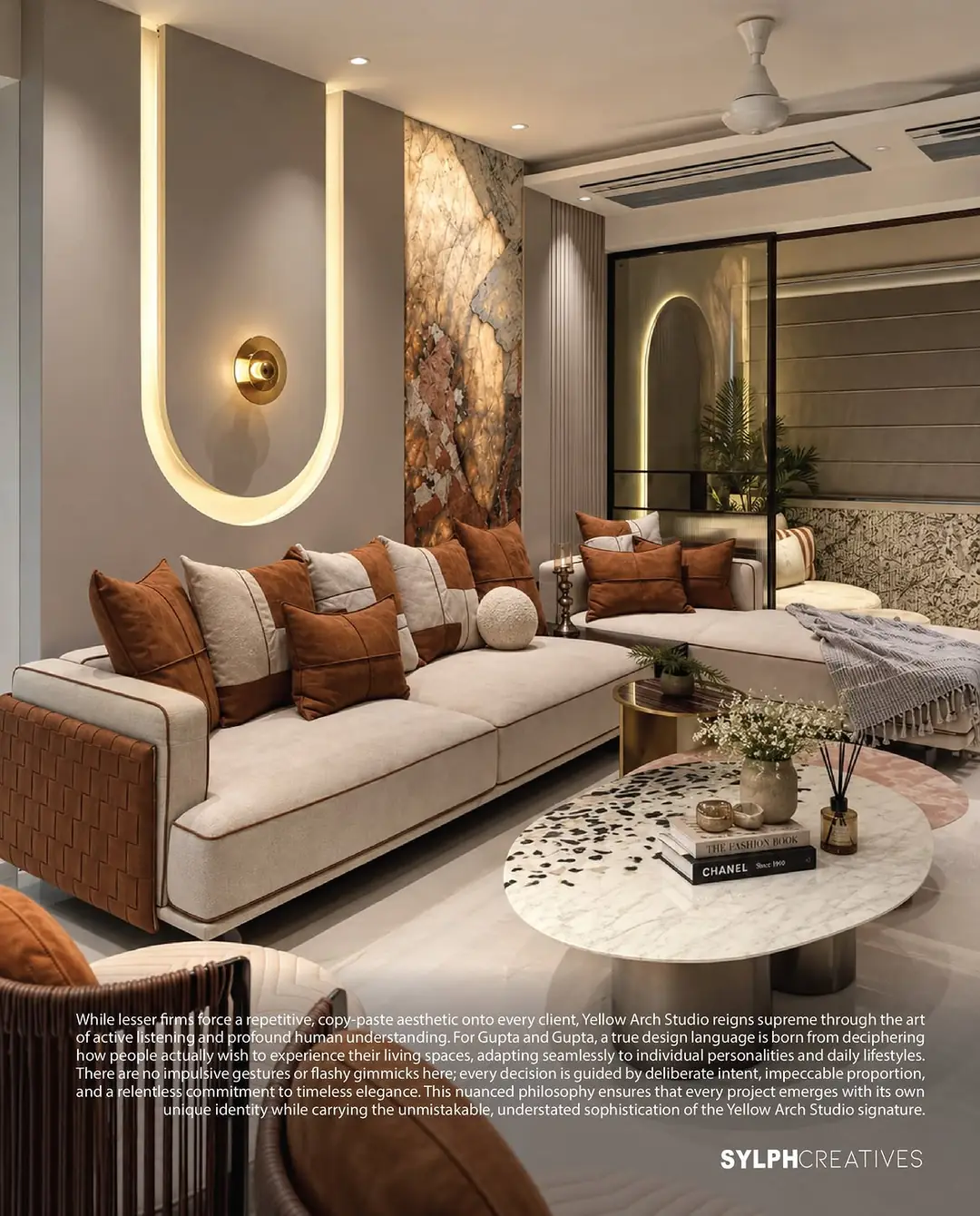
Where the magazine actually ends up
Not on a newsstand. Not in a waiting room.
On side tables, study desks and coffee tables. Next to the morning coffee, the reading glasses and the phone that is about to ring.
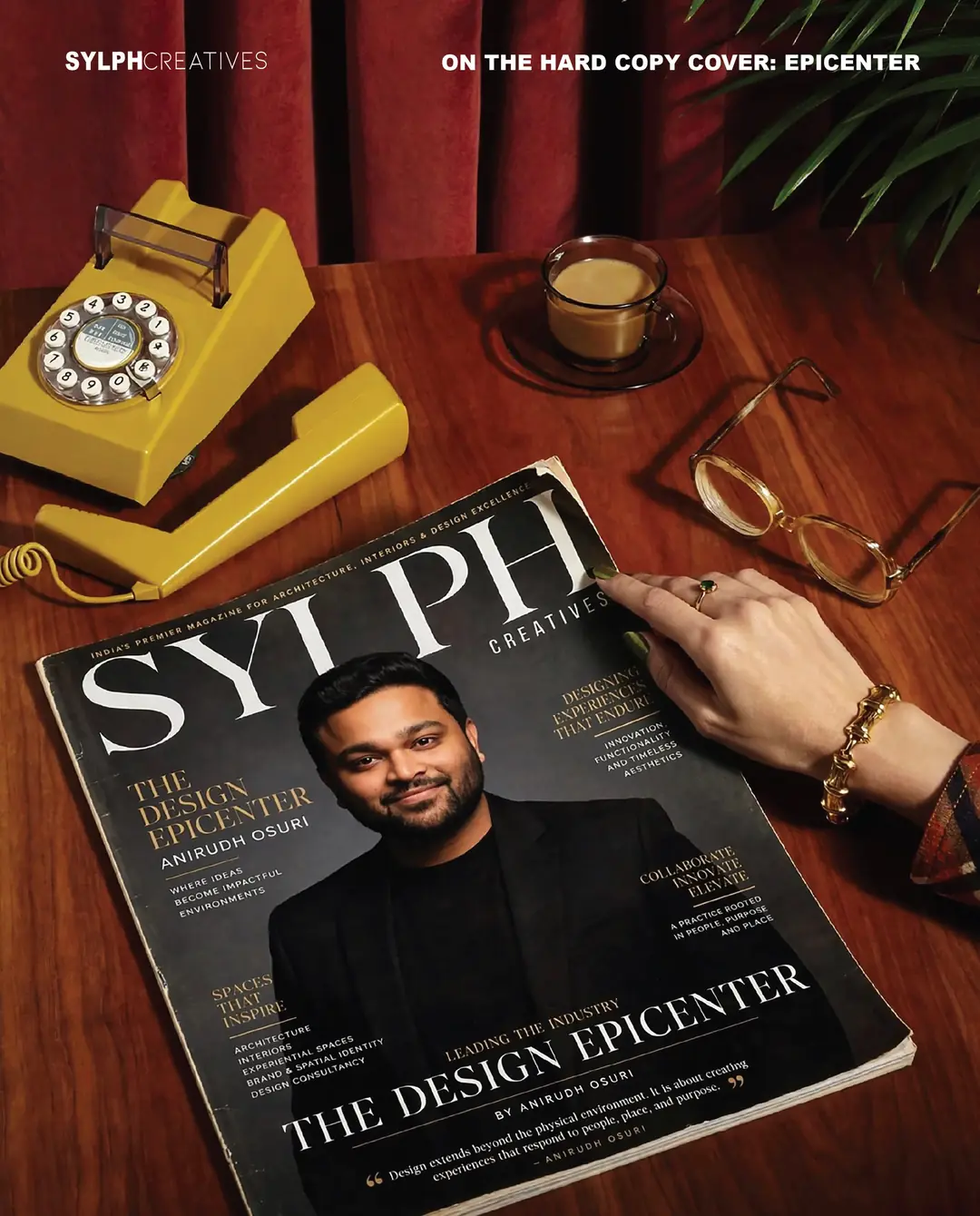
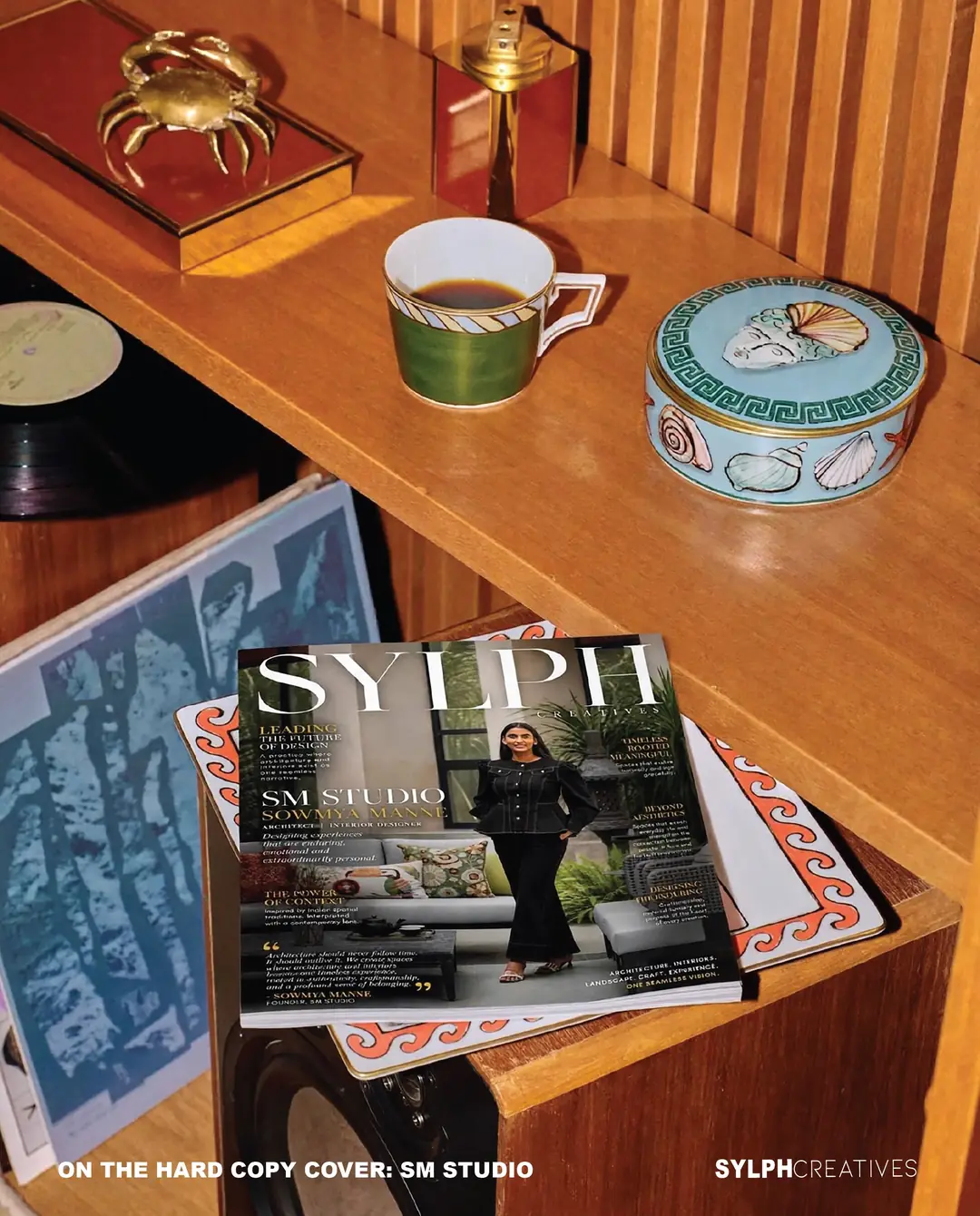
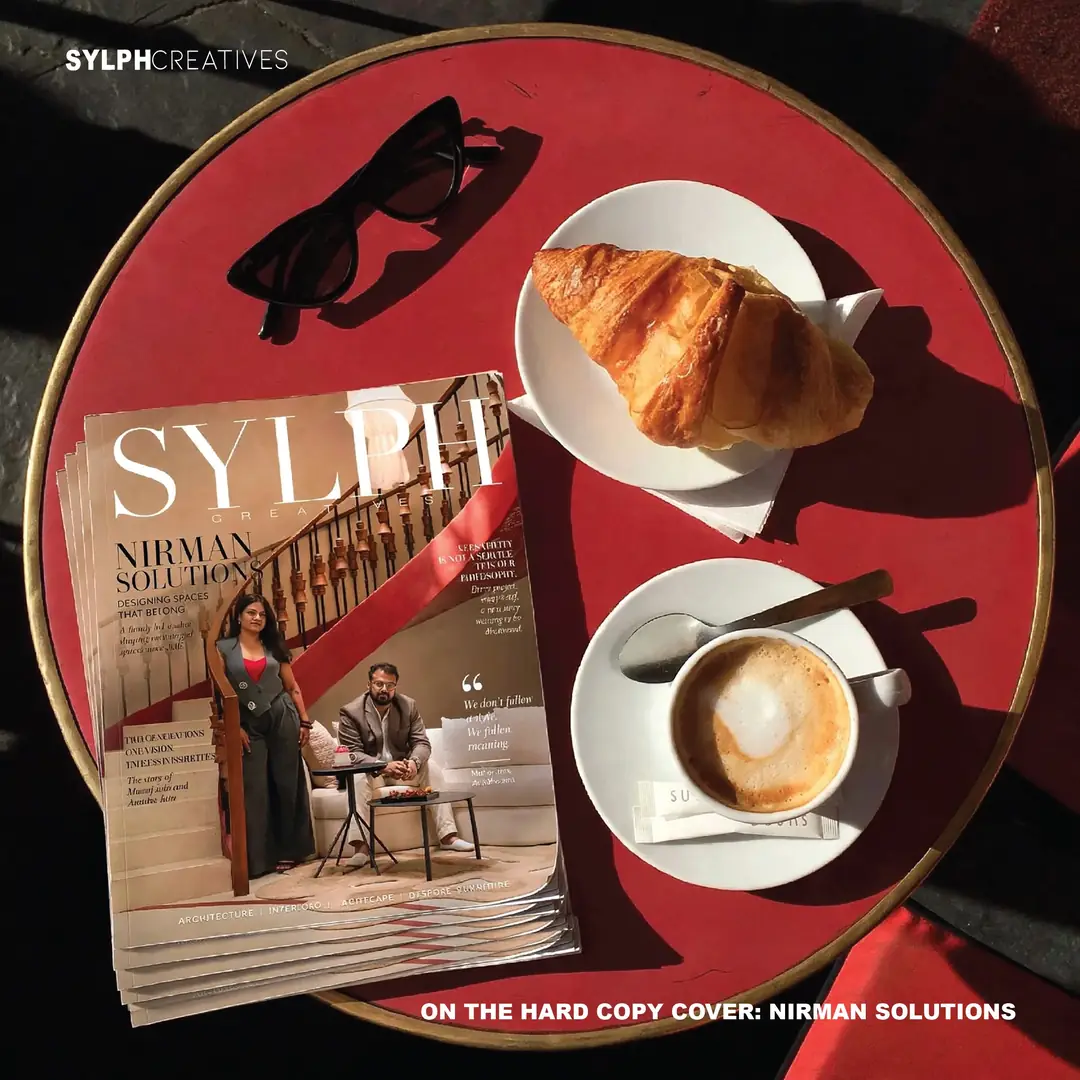
And sometimes it travels a lot further than you would think.
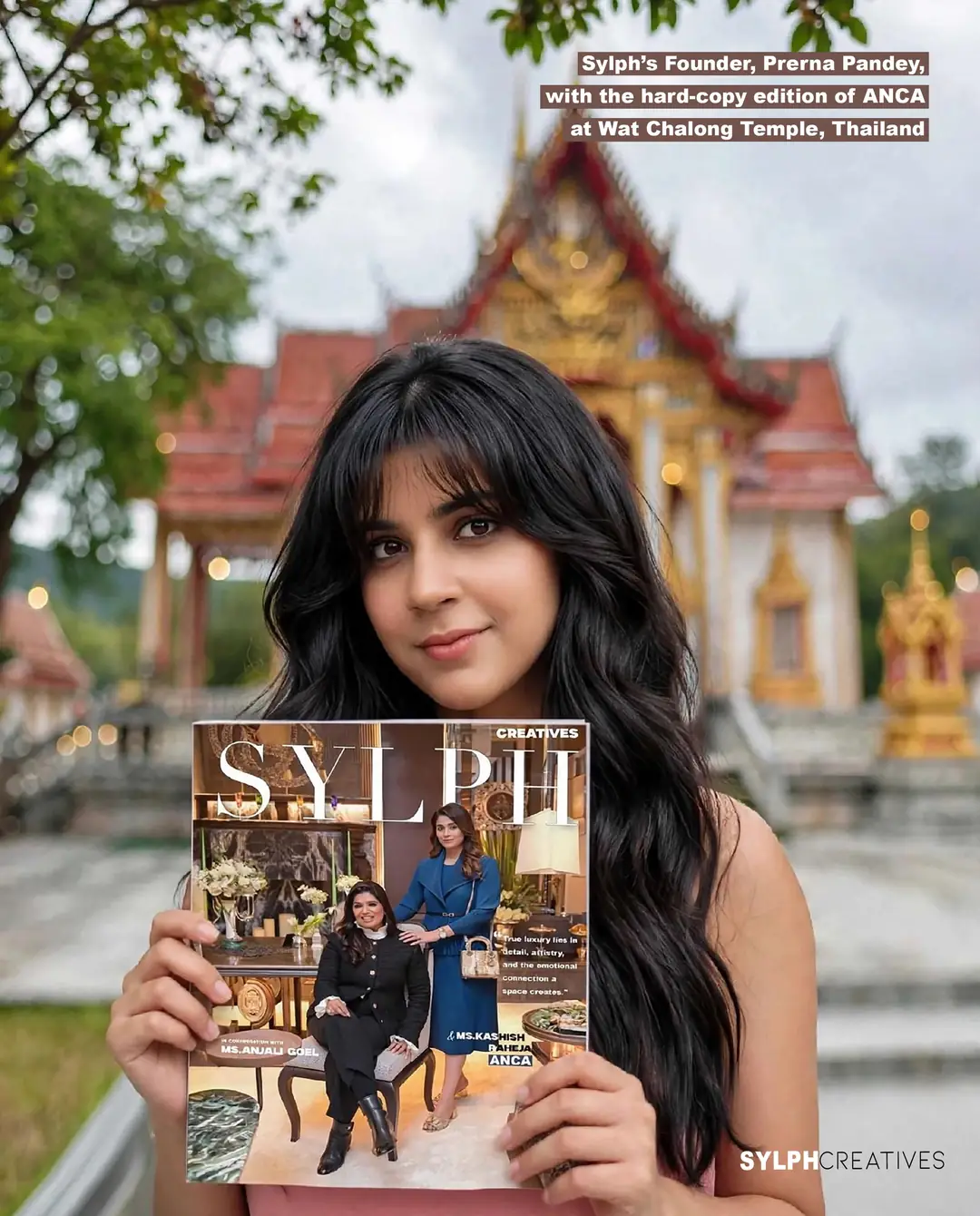
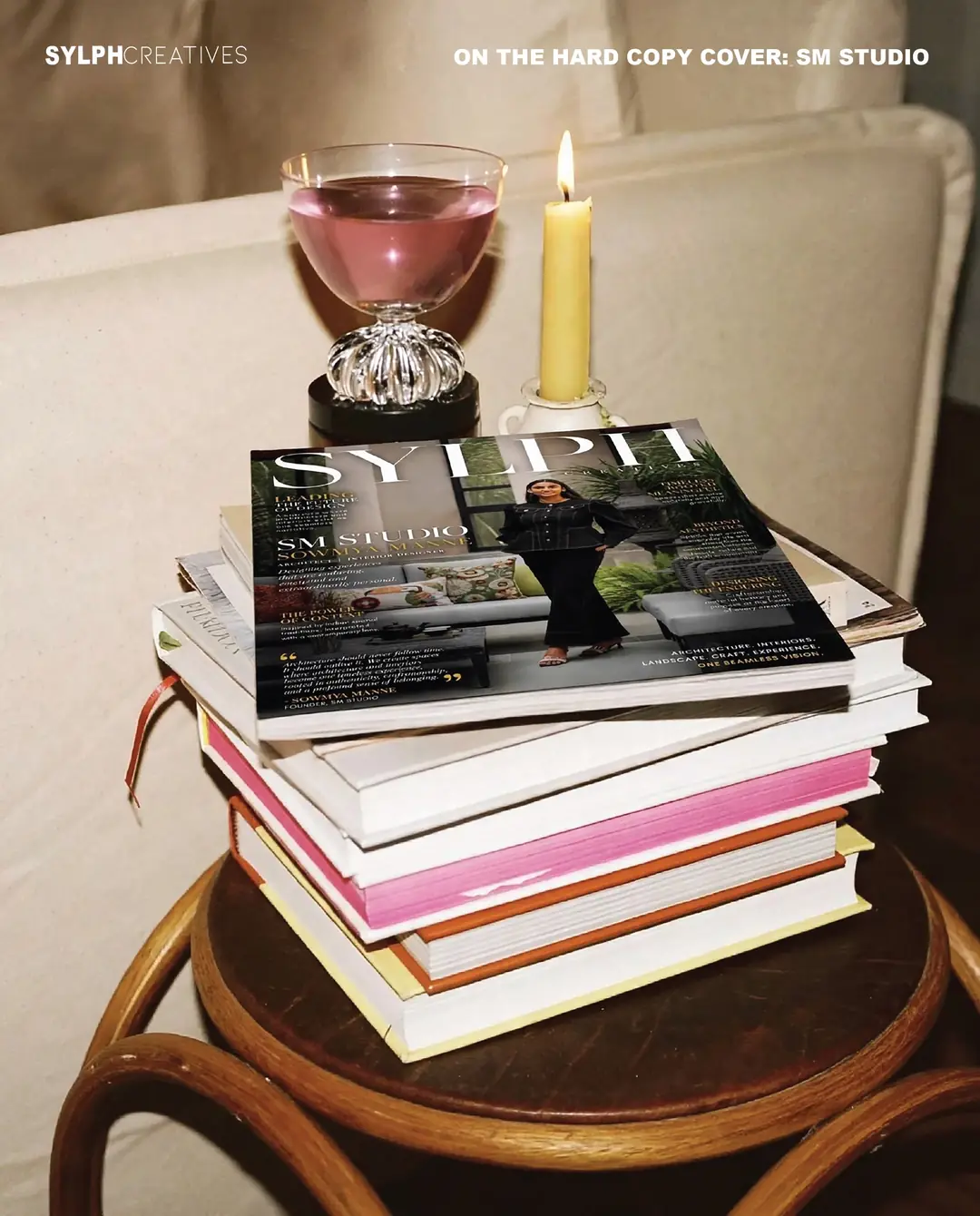
Every studio on those covers now has something an ad cannot buy. Their work, in print, sitting in a family’s home instead of a feed.
Check if you qualifySee if your project is ready for the next edition.What a feature actually does for a studio
Here is the part most studios underestimate. A Sylph feature is not only read. It is used, for years.
Think about your best finished project. Your next client will never walk through it. It is someone else’s home now, behind a gate, often in another city. So how do they judge your design philosophy, your materials, your eye for detail and your execution? Usually from a few photos on a phone.
A feature fixes that. It turns a finished project into a documented portfolio asset, told in an editor’s voice around your best photographs. Then it goes to work:
- 1Brand equity.
Sylph’s reputation beside yours reinforces your premium positioning, and gives your fee a reason.
- 2Audience access.
Hand-delivered to UHNI and HNI homes: the families who commission the next home, and the developers and brands who shape it.
- 3Visual storytelling.
Your concept, materials, details and execution, told by Sylph’s editors around your best photographs.
- 4Sales enablement.
A credential for every client meeting, presentation and proposal. The edition on the table says what you would rather not say about yourself.
- 5A marketing asset you keep.
Where your agreement with Sylph allows, use the feature in business development, PR and your own brand communication.
And here is what most studios miss. Even if no family ever calls straight from the page, you can say Sylph has featured your work. To every client, in every proposal, from then on. That is how a studio positions itself as premium, and how it holds a premium fee.
The ₹1.5 lakh trick
Here is something most designers do not know about magazine features in India. Many pages are sold through agents.
“They sell a ₹3 lakh page for ₹4.5 lakh and keep ₹1.5 lakh as their cut,” says Prerna Pandey, Sylph’s founder. “There is no price list, so the designer never finds out.”
Sylph does not use agents. Every placement has one fixed price, from a quarter page to a cover. You see the price before you pay anything.
Why Sylph says no
Here is the part most people do not expect. Sylph’s editorial board turns projects down.
Only luxury, high-design work gets in. Homes, interiors and pieces with real craft and a lived-in quality. Mass-market projects are filtered out.
When a project is strong but the photographs are not, the editors do not simply say no. They ask for a re-shoot, or pick the frames that work. And when renders are used, they are labelled as renders, so readers are never misled.
That is why there is a check before the price. And why a Sylph feature still means something.
The numbers
Or a book of your own
A magazine carries many names in one edition, the way Vogue carries many fashion houses. A coffee table book carries one.
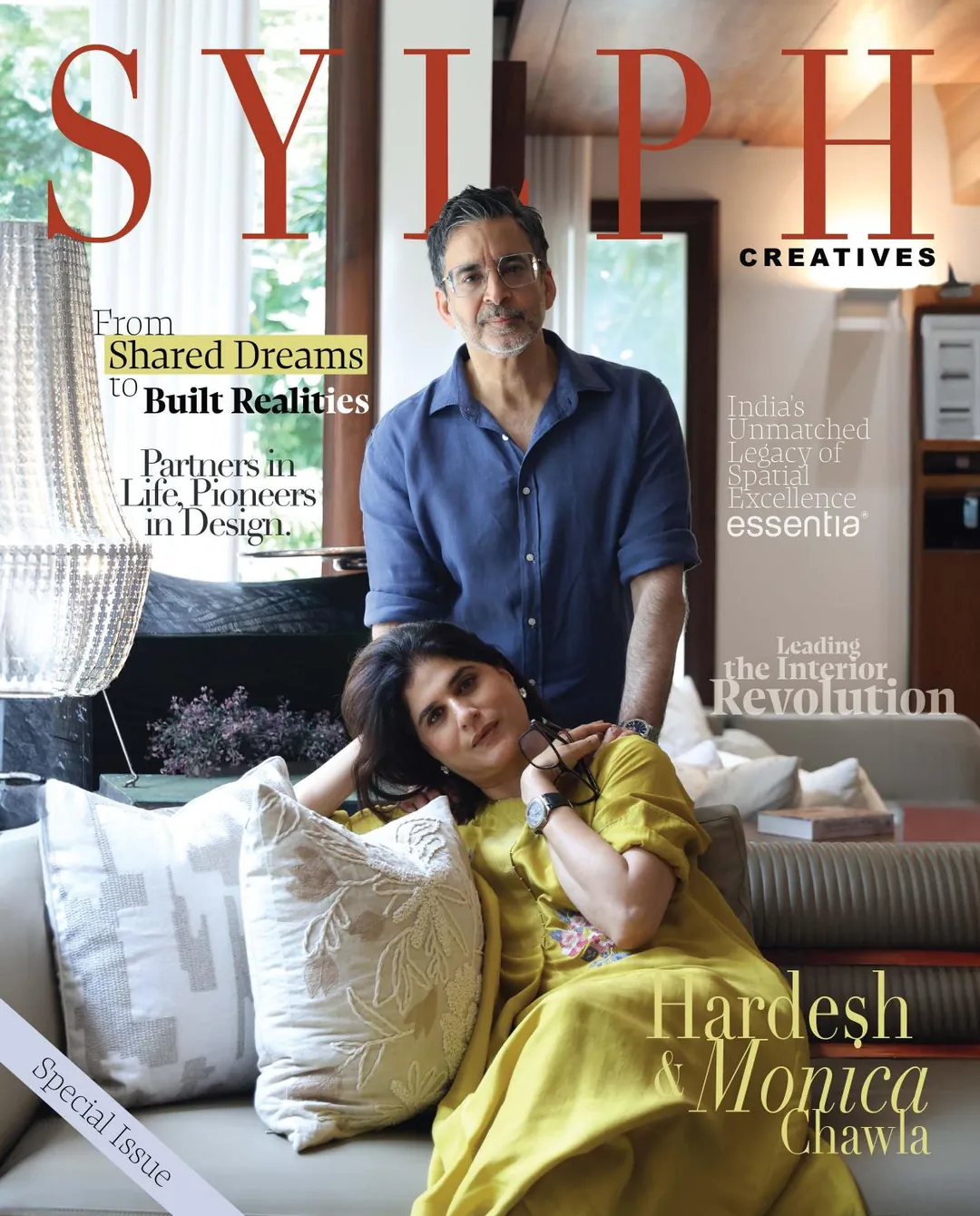
For studios with a body of work, Sylph Consultancy makes the Legacy Book™: a collectible coffee table book on one studio, twelve or thirteen of your projects in one volume, on premium paper, in premium packaging. It circulates through Sylph’s own UHNI network. Every page is yours.
For Essentia Environments, that meant ten of the finest residences from more than 70 Essentia homes at The Camellias, DLF, with private residences and farmhouses in Chhattarpur, Jaipur, Meerut and Maharani Bagh, and show apartments for Paras, Elan and Whiteland.
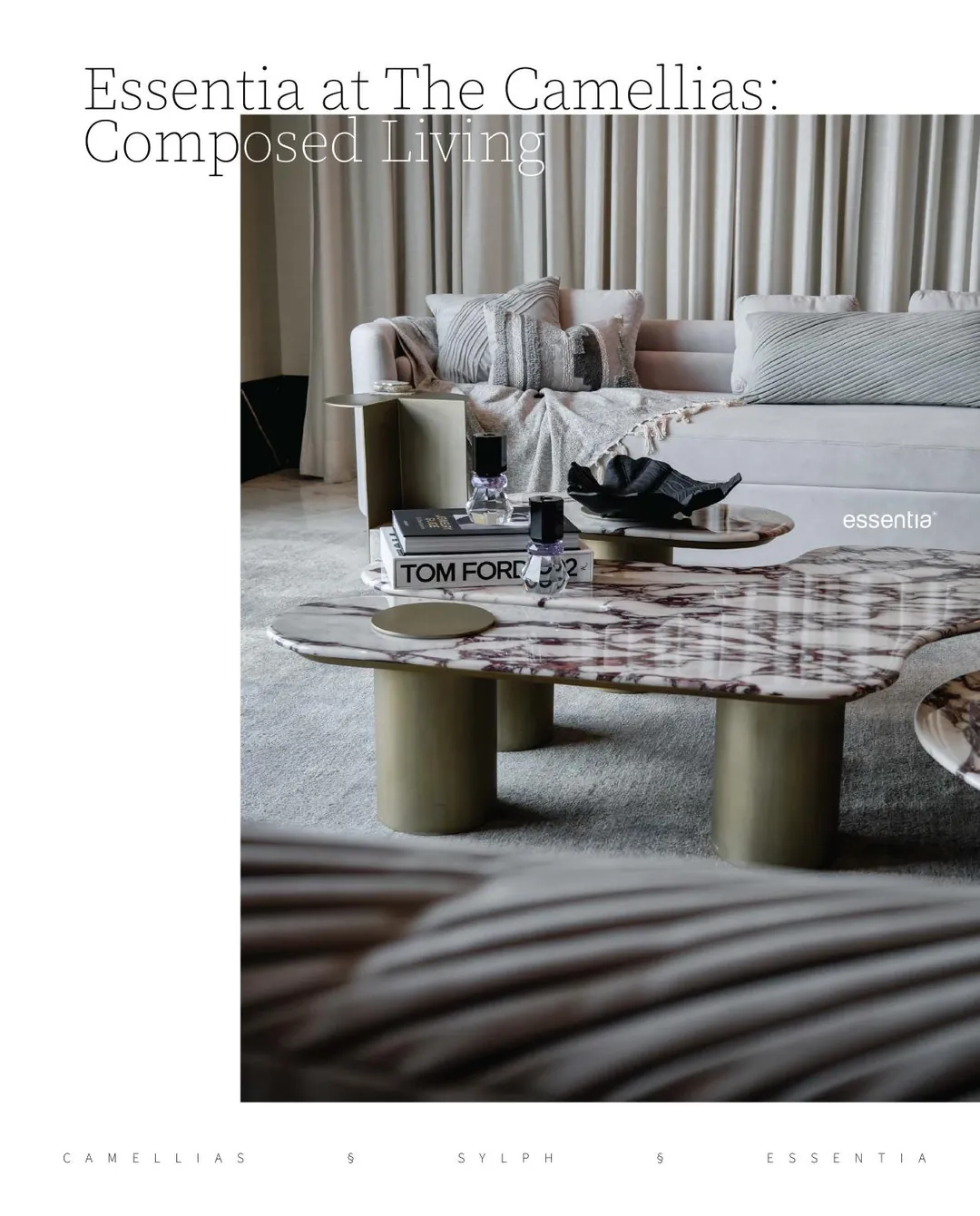
Books are planned on a call. In the check, choose “A coffee table book or a custom edition”.
So how does a studio get in?
It is simpler than people think. And no, you do not need to know anyone.
- 1Take the two-minute check.
A few easy questions about your studio and your best project.
- 2See where you fit.
A quarter page, a full feature, a cover story, a founder profile with three projects, or a book of your own. With the fixed price.
- 3Send your project.
Photos, drawings and a few lines. Sylph’s editors write the story. You do not write a word.
- 4Land on the table.
Your project joins the queue for the next edition with room, and lands in UHNI and HNI homes. Every page you book is published. Guaranteed.
Not every studio gets in straight away. If your project needs better photos, or is not finished yet, the check will tell you that too.


The family in South Delhi will choose their architect from the next edition on their table. The only question is whose name will be in it.
Check if you qualifyTwo minutes. Then you know.